In the rapidly evolving tech landscape, the roles of UX/UI designers and product designers are often misunderstood or conflated. While both positions are crucial for creating successful products, they focus on different aspects of the design process. Understanding these differences can help businesses build more effective teams and deliver better user experiences.
What is a UX/UI Designer?
UX (User Experience) and UI (User Interface) designers are primarily concerned with how users interact with a product. UX designers focus on the overall experience a user has with a product, ensuring it is intuitive, efficient, and enjoyable. They conduct user research, create personas, and develop user journey maps to identify pain points and opportunities for improvement.
On the other hand, UI designers concentrate on the visual aspects of a product. They design the layout, color schemes, typography, and interactive elements to create an aesthetically pleasing interface. UI designers work closely with UX designers to ensure that the visual design aligns with the user experience goals.
What is a Product Designer?
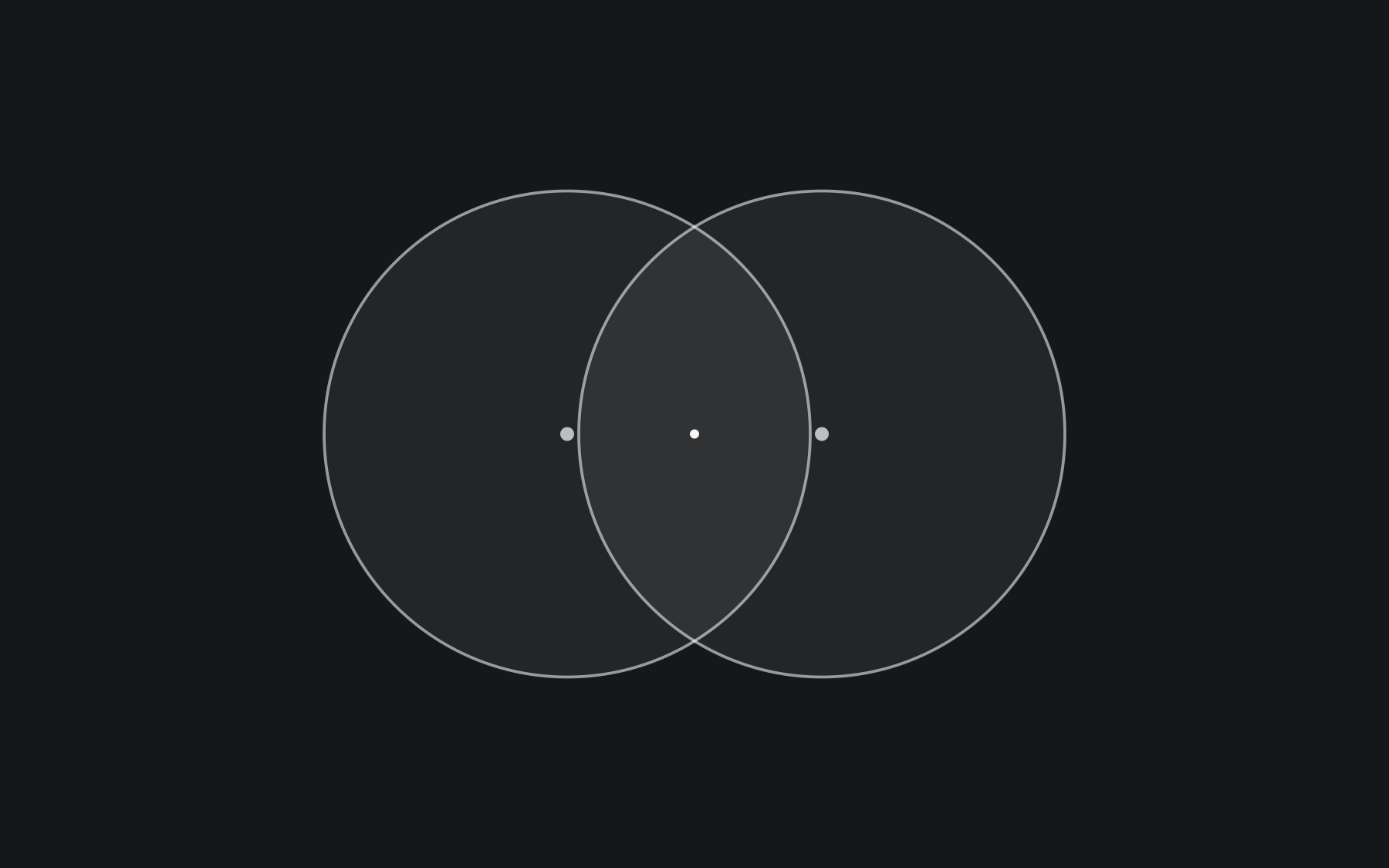
Product designers take a broader approach, encompassing both UX and UI design while also considering the business objectives and market needs. They are involved in the entire product development process, from ideation to launch. Product designers collaborate with cross-functional teams, including engineers, marketers, and stakeholders, to ensure that the final product meets user needs and business goals.
While UX/UI designers may focus on specific aspects of the user experience, product designers are responsible for the overall vision and strategy of the product. They must balance user needs with technical feasibility and business viability, making their role more complex and multifaceted.
Key Differences
- Focus: UX/UI designers prioritize user interaction and visual design, while product designers consider the entire product lifecycle and business strategy.
- Scope: UX/UI designers typically work on specific projects or features, whereas product designers oversee the product as a whole.
- Collaboration: Product designers often collaborate with various teams, while UX/UI designers may work more closely with developers and other designers.
Conclusion
In summary, while UX/UI designers and product designers share some overlapping skills, their roles and responsibilities differ significantly. Understanding these distinctions is essential for organizations looking to build effective design teams and create products that resonate with users. By leveraging the strengths of both roles, companies can enhance their product offerings and drive user satisfaction.